
Parenting demands the mental and emotional energy to show up every day for our children. What many neurodivergent parents express to me is the feeling of carrying an invisible load. Neurotypical parenting advice feels foreign and hard to relate to, which can lead to feelings of isolation or otherness. I see it often that neurodivergent parents tend to minimize their needs and power through despite the mental drain and overwhelm. We all want to be our best selves for our children, and it’s okay to need tools that help you show up every day without draining the tank. In my time working with parents, I have found a few products that help reduce sensory overwhelm, reduce demands on executive functioning, and make the most of time spent in mental recovery. This is my list of the top six items that I’ve seen add value to the toolbox.

Kids create a soundscape in the household that can be overwhelming. Toys, TV, shouting, running, and laughing are all natural noises for a household with kids, but if you find yourself drained at the end of a noisy day, loop earplugs can help with a product made specifically for parenting. Many parents worry that they won’t be able to parent with earplugs in, but noise filtering earplugs cut out background and ambient noise that stresses out audio processing, so you will still be able to hold conversation with your children. If you feel guilty that the sounds of your children grate on your nerves, I’m here to tell you that you are a good parent and your audio overload is not your fault. It’s okay to need a break.

I have seen that many neurodivergent parents struggle to figure out how to wind down their nervous system at the end of the day or in a moment they step away to resource themselves. Weight and pressure can provide proprioceptive stimulation to calm the nervous system and reduce stress. If you love your weighted blanket, you may also benefit from a weighted eye mask. This is a tool I recommend if you need the calming effect of weight stimulation, but the weighted blanket is inconvenient or impractical for the moment. Sometimes as parents we only get 5 minutes to resource ourselves before heading into the next activity. Make that 5 minute break as soothing to the nervous system as you can.
3. Balance Disc

Maybe you’ve seen a balance disc before in relation to fitness or physical therapy. Maybe your child’s therapist or occupational therapist has recommended one for them. I’m here to tell you that you will benefit from this too. If you find yourself loosing concentration while you’re sitting with your child to do homework, play on the floor, or just stay present in a moment where you have to pay attention for long periods of time, this tool could help give you the stimulation your nervous system needs to stay focused. You can sit, stand, and balance on this to give yourself vestibular input. What I like about it most is it’s size. Many products made for vestibular stimulation are large or expensive, but a balance disk can fit nicely under a piece of furniture or on a shelf.
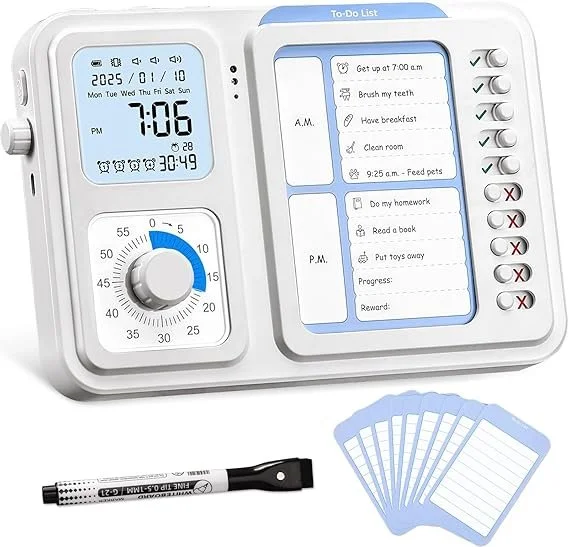
Visual schedules are a tool I recommend for reducing executive function exhaustion. Many of my neurodivergent clients remark that they make lists only to end up losing them. This item allows you to make short, achievable lists that you won’t have to worry about loosing. What I like about this visual schedule is that it comes with a built in visual timer and pomodoro timer. Visual timers are a better tool for those parents who experience time blindness. Pomodoro timers break focus time up into clear segments that have clear breaks. This tool can make implementing the Pomodoro technique easier. I see items like this lightening the mental load of parenting.
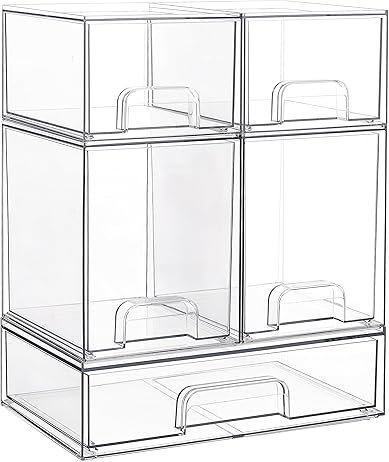
Many neurodivergent parents will tell you that the easiest way to lose an important item is to put it away. Remembering all the drawers and boxes where things are stored takes up valuable mental processing bandwidth. Storing items in clear drawers and boxes allows you to put things away without experiencing them fall into a black hole. Clear storage options are available in multiple stores and online retailers. I view this as a way you can work with your neurotype instead of against it. Staying organized is important when you’re a parent, but you don’t want it to take up more mental space than it’s worth.

Visual overstimulation is something many neurodivergent people begin to think about more when they become parents. Parenting demands more time spent in less sensory friendly spaces. Tinted glasses can filter irritating visual input from lights and other stimuli. Some neurodivergent people have also discovered that they have an easier time reading or concentrating on words with tinted glasses on. Any time you can spare your brain from straining to process input, you reserve precious mental energy for yourself and your family.
Parenting is challenging. Parenting while neurodivergent demands every ounce of resources in the tank to get through the week. I reiterate this message over and over with my clients. You are a good parent. Having needs doesn’t make you weak, it doesn’t make you a failure, and it doesn’t make you inadequate. Having needs means you have an opportunity to provide for yourself. Many neurodivergent adults experience shame and guilt around their needs. Maybe you had a childhood in which you were told you were too much and too needy. I’m here to say you deserve for your needs to be met.